
Academic coaching
Coaching for researchers and academics
Academic life can be rewarding, but it can also feel demanding, uncertain and difficult to navigate. Coaching gives you time to think clearly about your work, your career and what you want to do next.
I work with researchers and academics who want practical support with current challenges, space to make sense of bigger questions, or both. Our conversations are shaped around you: your priorities, your context and the changes you want to make.
Book a free introductory session
A useful place to think
What we may work on
You may arrive with one immediate issue, several competing priorities or a less defined sense that something needs to change. Coaching can help you slow the situation down, see it more clearly and decide what is within your control.
- Clarifying your career direction and options
- Working through procrastination, perfectionism or feeling stuck
- Finding confidence amid criticism, comparison and rejection
- Finding motivation
- Managing competing demands on your time and energy
- Career transitions, leadership and new responsibilities
- Finding your footing in a new role, institution or stage of your career
- Navigating expectations and difficult conversations with colleagues or supervisors
How I work
Coaching first, experience in the background
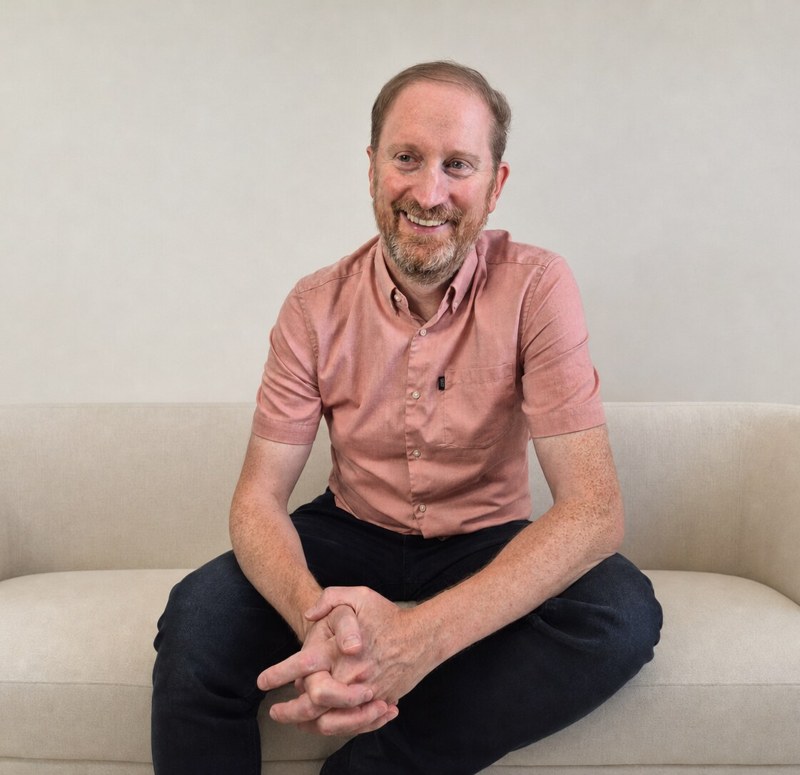
How does coaching differ from mentoring and supervision?
A supervisor guides your research and helps you meet academic requirements, while a mentor draws on their experience to offer advice and perspective. These roles can overlap, but a coach focuses on helping you think things through, understand your strengths and challenges, and find your own way forward, with your priorities setting the agenda.
Your agenda, your expertise
I work from the assumption that you are the expert on your own ambitions, discipline and circumstances, and I follow your agenda. My career has given me a broad view of research systems rather than a blueprint for another person’s career.
As your coach, I’ll help you explore your own thinking and choices. Where it is useful, I may put on my ‘mentoring hat’, with your permission, to offer context, a question or a resource drawn from my experience. Your judgement and choices remain at the centre, and your agenda comes first.
A calm, curious and practical approach
My coaching style is calm, curious and practical. I listen carefully, ask questions and help you notice patterns or possibilities that can be difficult to see when you are caught up in the work.
Sessions are relaxed, confidential and open, with as much or as little structure as you need. Some clients arrive with a clear agenda and want practical structure, accountability and next steps. Others need space to think aloud, untangle what is going on and work out what matters first.
You do not need to arrive with a polished goal or feel that you have to be organised, confident or certain. We can start with whatever is taking up space in your mind and work from there, at a pace that gives you room to think.
The aim is not to prescribe a single way of being an academic or to make you fit a more conventional mould. It is to help you understand yourself better, work with your strengths and constraints, and move towards the work and life that matter to you.
What we might explore together
Sometimes the useful work is very practical: creating a writing routine, planning a funding application, communicating research more clearly or deciding how to approach a difficult conversation. At other times, it is about confidence, identity, motivation or choosing between possible directions.
We can also explore how to work purposefully in a changing research landscape, including the responsible use of AI and evolving expectations around openness, data, integrity and impact.
Research I led
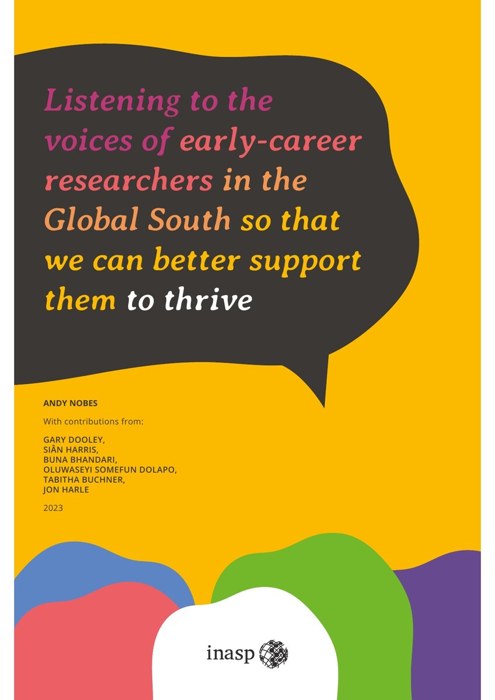
Listening to early-career researchers
I led the team behind this INASP study of 7,972 early-career researchers across the Global South. We investigated the support researchers need to make an impact and develop their careers, alongside the barriers they encounter around funding, recognition, visibility and collaboration.
The findings continue to shape how I think about researcher development: support should respond to people’s goals and contexts, rather than assuming a universal academic pathway.
Read the studyExperience
Why this work matters to me
My own career has crossed publishing, international development, programme leadership, research and coaching rather than following a conventional academic pathway. That breadth helps me recognise the many different ways a research career can develop.
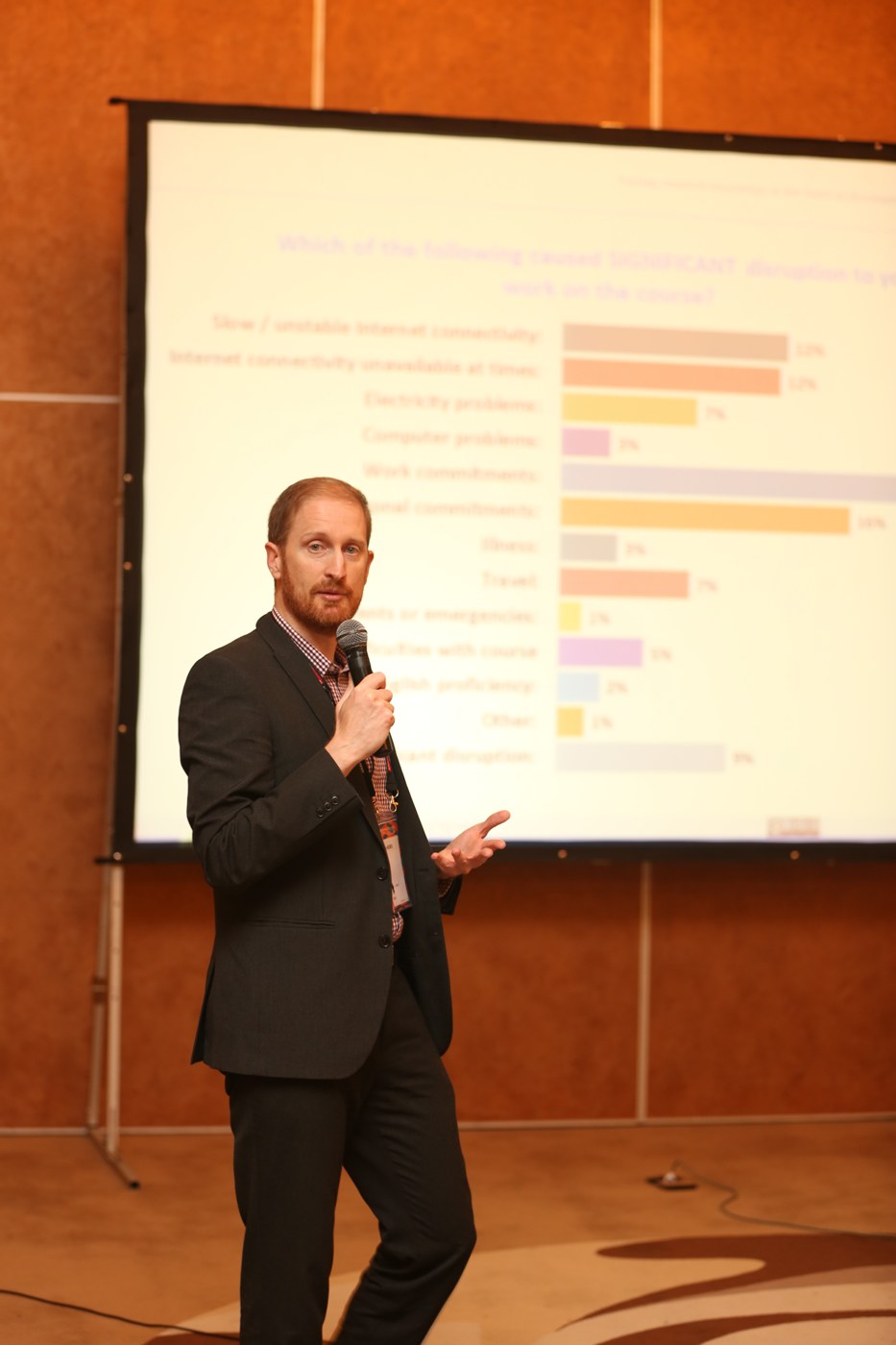
From 2014 to 2026, I led the AuthorAID/Rising Scholars online mentoring scheme for more than 10,000 international early-career researchers. I also led online courses through which more than 50,000 researchers took part in training on research writing and grant proposal writing.
Researchers’ opportunities are shaped by funding, institutions, geography, language, networks and unequal access to resources. I have spent much of my career working with researchers and research organisations across Africa, Asia and Latin America, and I bring an awareness of these wider conditions without making assumptions about your experience.
That matters when familiar career advice does not fit, when you are working across cultures or systems, or when structural barriers need to be acknowledged alongside the choices available to you.
My current research specialisms
I am an active independent researcher currently involved in projects focusing on AI-human interaction in coaching, reflective practice and education.
See my consultancy page for full information on my projects and publications.
Professional foundations
Accreditation, membership and specialist training
Master’s degree (Distinction) in Coaching and Mentoring Practice, Oxford Brookes University.
Start with a conversation
Would academic coaching be useful for you?
I offer a free introductory session so we can talk about what you are looking for, how I work and whether we would be a good fit.